
24–36 months · Joining in
Feeding your 24–36 month old
- Meals
- 3 meals + 1 or 2 snacks
- Milk
- Breast milk can continue. Plain milk from a cup: low-fat (1%) or nonfat, about 16–24 oz (480–710 ml) a day (AAP), or at least 350 ml (12 oz) of whole or semi-skimmed milk or 2 dairy servings (NHS)
- Water
- The main drink between meals, about 8–40 oz (240–1,200 ml) a day
At this age
From 2, your child can eat the same meals as the rest of the family, cooked without added salt and cut to a safe size. The AAP suggests 3 meals plus 1 or 2 snacks a day. Two-year-olds can use a spoon, drink from a cup with one hand and feed themselves many finger foods, and most use a fork by 3.
In the US, milk changes at 2: the AAP suggests low-fat (1%) or nonfat milk, about 16–24 oz (480–710 ml) a day, and many pediatricians suggest reduced-fat (2%) milk for a few weeks first. The NHS suggests at least 350 ml (12 oz) of whole or semi-skimmed milk a day, or 2 servings of dairy foods, and no 1% or skimmed milk as a main drink before age 5. Water stays the main drink between meals.
Children this age still gulp food when they're in a hurry to play, so the AAP says choking risk is high: quarter grapes and cherry tomatoes lengthwise, cut hot dogs into quarters lengthwise and then into small pieces (never round slices), cook raw carrot, celery and green beans soft or grate them, spread nut butter thinly, and keep whole nuts and popcorn away until at least age 4 (the NHS says no whole nuts under 5).
Offer simple choices, eat together with screens off, and let your child decide how much to eat (CDC). US guidelines say to prioritize fiber-rich whole grains, and the NHS says that after 2 you can gradually add more wholegrain foods.
Vitamins: the NHS recommends a daily supplement with vitamins A, C and D for all children from 6 months to 5 years, with 10 micrograms of vitamin D a day for ages 1 to 4. In the US, the AAP says children over 1 need 600 IU of vitamin D a day: ask your pediatrician whether your child needs drops. Give one supplement at a time, at the dose on the label. Avoid added sugar, including honey and syrups, until age 4.
Foods to try
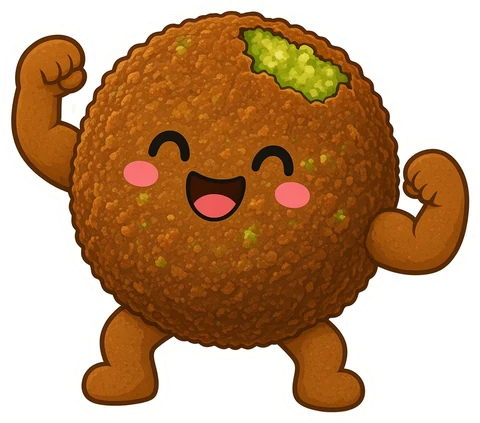
Falafel
From 6 months
Choking riskMedium

Tamales
From 6 months
Choking riskMedium

Empanadas
From 6 months
Choking riskMedium

Arepas
From 6 months
Choking riskMedium
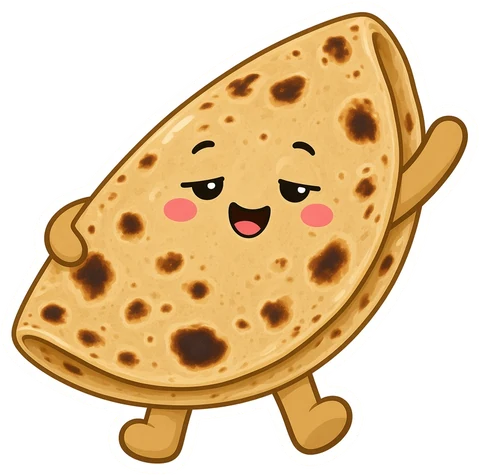
Chapati
From 6 months
Choking riskMedium
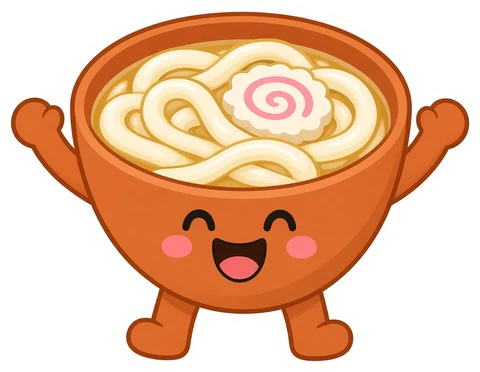
Udon
From 6 months
Choking riskLow

Risotto
From 6 months
Choking riskMedium

Kidney beans
From 6 months
Choking riskMedium

Mackerel
From 6 months
Choking riskLow
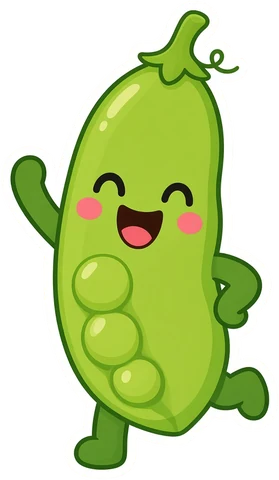
Snap peas
From 6 months
Choking riskMedium
Orange
From 6 months
Choking riskMedium

Pineapple
From 6 months
Choking riskMedium
Toddler guides
- Calcium for toddlers: how much and the best sources
- Cooking with toddlers: safe ways to get them involved
- Eating out with a baby or toddler
- Fiber for toddlers: how much and how to add it
- First birthday cake: sugar, honey and safe decorations
- Food jags: when your toddler only wants one food
- Healthy toddler snacks
- Packing lunches for toddlers
- Picky eating in toddlers
- Screens at mealtimes
- Toddler meal schedule
- Toddler mealtime behavior: calm limits that work
- Toddler portion sizes
- Vegetarian and vegan toddlers: a balanced plate

Free printable: The First 100 Foods checklist
Tick off foods as your baby tries them. Print it or save it as a PDF, no sign-up needed.
Sources
- AAP: Feeding and nutrition tips: your 2-year-old
- AAP: Recommended drinks for children age 5 and younger
- AAP: Choking prevention for babies and children
- CDC: Milestones by 3 years
- CDC: Milestones by 30 months
- CDC: Choking hazards
- NHS: What to feed young children
- NHS: Drinks and cups for babies and young children
- NHS: Foods to avoid giving babies and young children
- NHS: Vitamins for children
- HHS: Fact sheet on the Dietary Guidelines for Americans, 2025–2030