
Coconut water
The clear drink from inside a coconut. Not for babies; for toddlers, an occasional extra, never instead of water or milk.
Checked against official guidance on October 18, 2026 · How we review
Quick answer
Children can have coconut water from around 12 months. Prepare it as shown below.
How to serve coconut water by age
12 months+
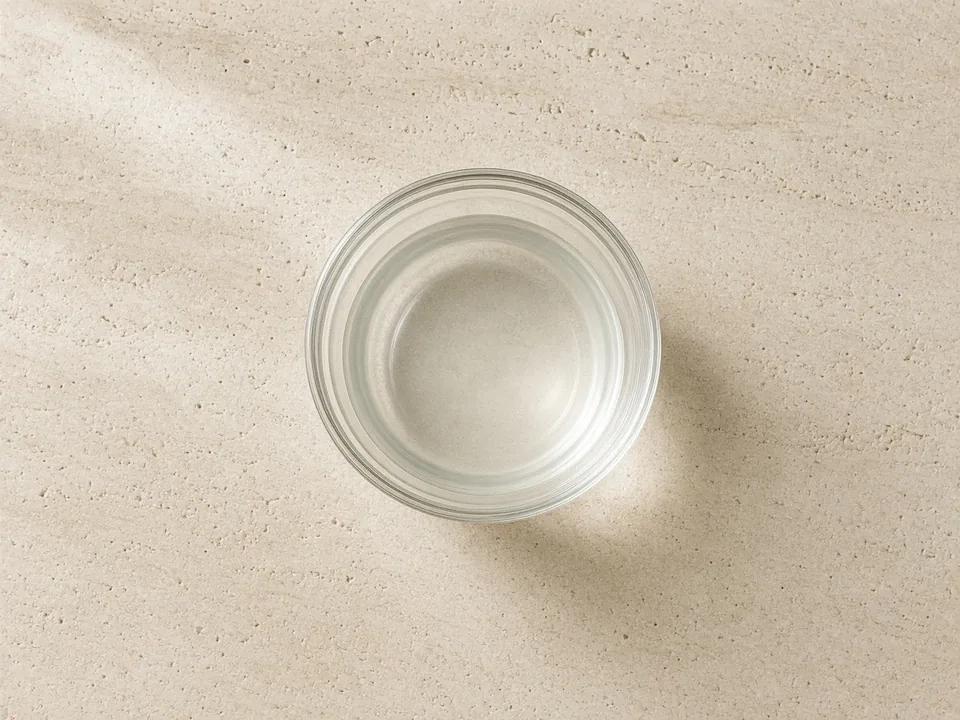
Now and then: a few sips with a meal
Before 12 months, coconut water isn't a drink for babies: breast milk or formula is the main drink, with sips of water from about 6 months (AAP, NHS). From 12 months, plain coconut water can be an occasional extra, but it doesn't replace water or milk: the AAP says the best drinks for young children are water and plain milk. Serve it in an open cup with a meal, not in a bottle.
- Size
- A few sips of plain coconut water in an open cup, with a meal, now and then.
- Check before serving
- Check the label: the only ingredient should be coconut water, with no added sugar, sweeteners, fruit juice or flavorings.
18 months+
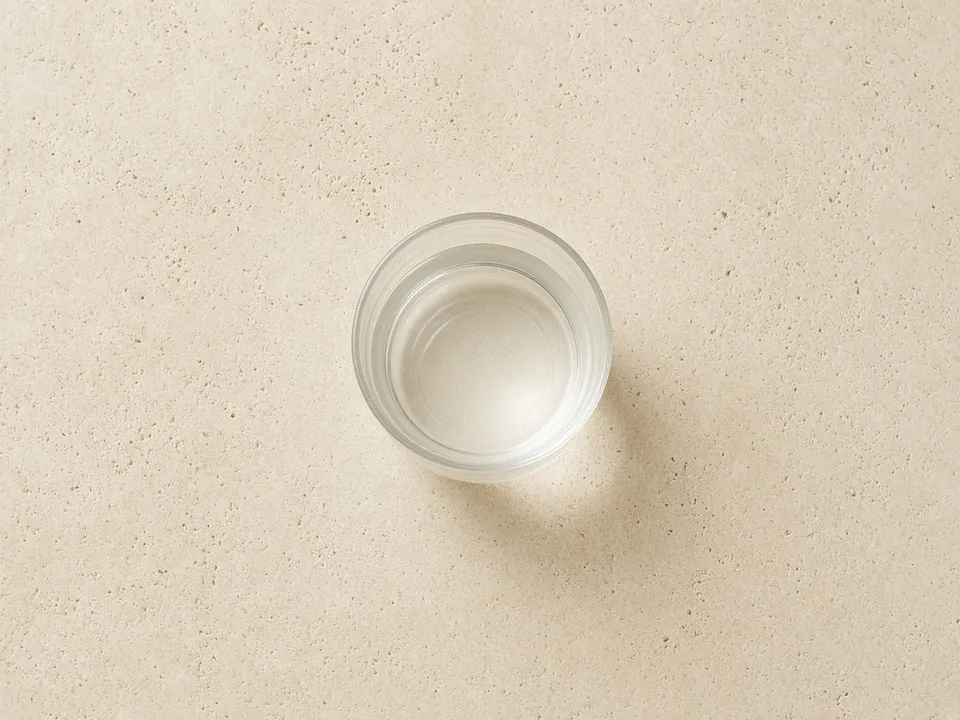
Occasional, with meals
Keep water and plain milk as the everyday drinks. If your toddler likes coconut water, keep it to mealtimes rather than sipping through the day (our suggestion, following NHS advice that serving juice with meals helps protect teeth). Skip sweetened and flavored coconut waters, and coconut water mixed with fruit juice.
- Size
- A small open cup with a meal, now and then.
- Check before serving
- Check the label: just coconut water, nothing added.
2 years+
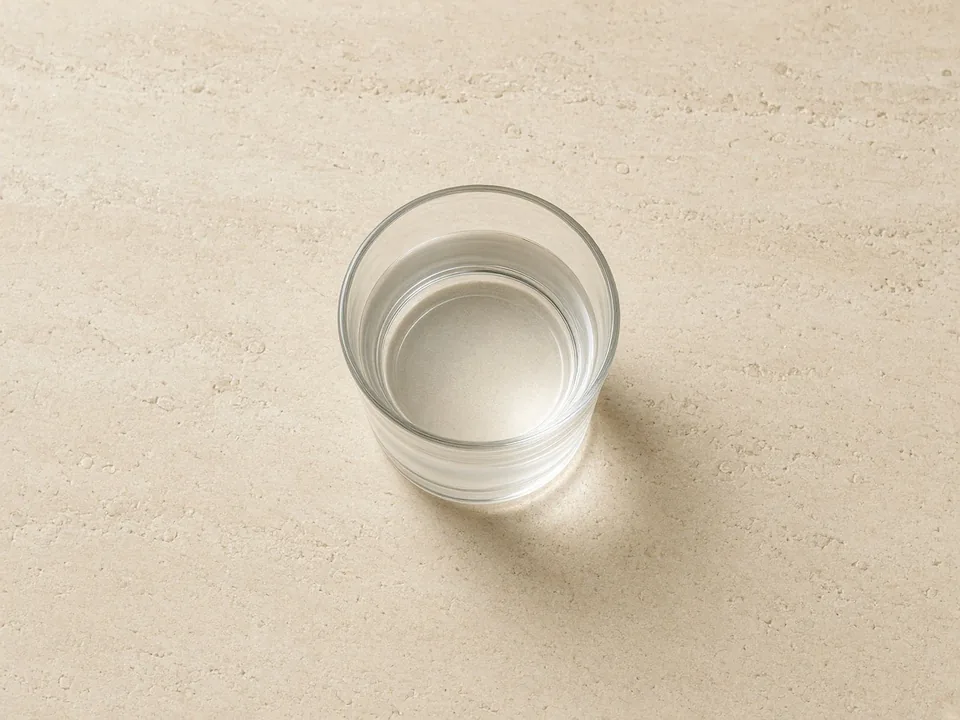
Occasional, plain
Plain coconut water has no added sugar, but it still has some natural sugar (about 2.6 g per 100 g) and almost no protein, so it isn't a substitute for milk. Water stays the drink between meals and after play. Sweetened coconut drinks count as sugary drinks, which the AAP says are harmful to children's health.
- Size
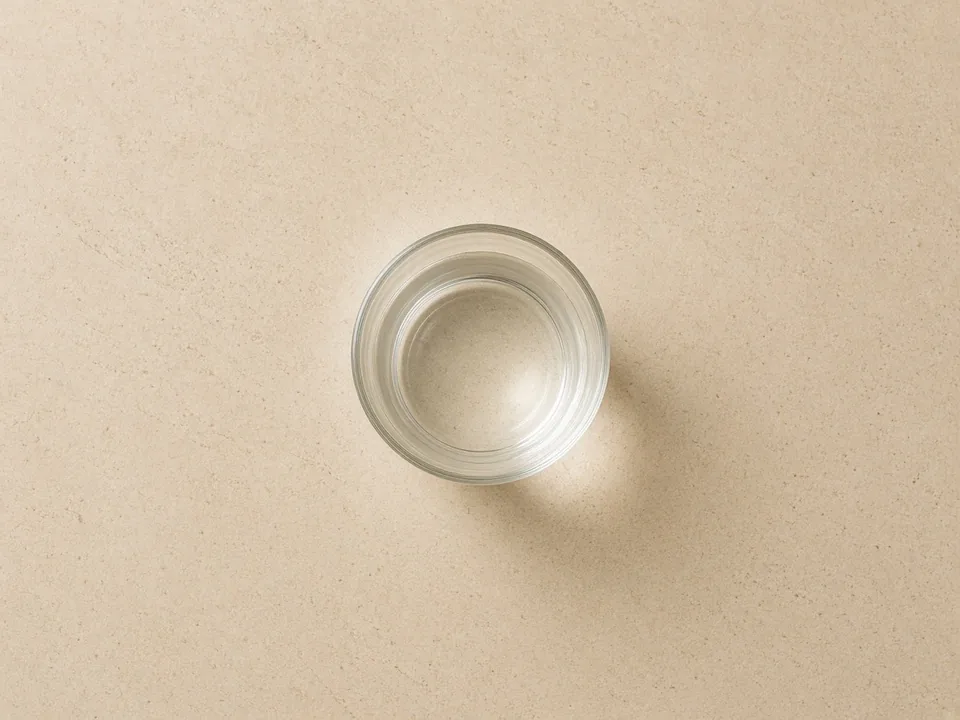
- A small open cup with a meal, now and then.
3 years+
Family drink now and then
Coconut water isn't a medicine or a rehydration drink. If your child loses fluids with vomiting or diarrhea, the AAP advises an oral electrolyte solution, given as your pediatrician directs. For everyday thirst, after play and in hot weather, offer plain water.
- Size
- A small cup with a meal, now and then.
Always have your child sit upright in a high chair or at the table, and stay with them the whole time they eat. Keep to the size and texture for their stage. Every baby develops on their own timeline.
How to prepare coconut water
- 1
Choose plain coconut water: the ingredients list should say only coconut water, with no added sugar, sweeteners, juice or flavors.
- 2
Pour a small amount into an open cup and serve it with a meal. Don't put it in a bottle: the NHS says bottles and trainer cups should hold only breast milk, formula or water.
- 3
Keep water on the table too, so it stays your child's main drink.
- 4
Once opened, keep the carton or bottle in the fridge and use it within the time on the label.
How much to offer
None before 12 months. After that, a few sips to a small cup now and then, with a meal, is plenty (our suggestion): the AAP says the best drinks for young children are water and plain milk. Your child decides how much to drink.
Common mistakes
Giving it to a baby under 12 months
Babies need breast milk or formula, plus sips of water from around 6 months. The NHS says not all drinks are suitable for babies, and the AAP says the best drinks for young children are water and plain milk.
Buying sweetened or flavored coconut water
Some coconut drinks have added sugar. The AAP lists sweetened water among sugary drinks that harm children's health, and US and UK advice is to avoid added sugar up to age 4. Read the label every time.
Choosing coconut water and juice blends
Healthy Eating Research says the share of real juice in drinks made from juice and coconut water usually isn't clearly labeled. The AAP says no juice before 12 months, and no more than 4 oz (120 ml) of 100% juice a day from 12 months up to age 3.
Using it to treat dehydration
For mild dehydration with vomiting or diarrhea, the AAP advises an oral electrolyte solution, given as your pediatrician directs. Call your pediatrician if you see signs of dehydration (see below).
Where US and UK guidance differ on coconut water
United States(AAP and CDC)Your setting
The AAP says the best drinks for young children are water and plain milk, that babies under 12 months should not have juice, and that from 12 months up to age 3 juice should be 100% juice, no more than 4 oz (120 ml) a day. A Healthy Eating Research panel that included the AAP says plain coconut water can be considered a type of 100% juice, isn't equivalent to plain water and should be limited, and that coconut juice, which often has added sugar, should be avoided up to age 5. This page treats plain coconut water like juice: none before 12 months, then a small amount with a meal. It lists sweetened water among sugary drinks to avoid, and the 2025–2030 Dietary Guidelines say to avoid added sugar for children aged 4 and under. Coconut is no longer labeled as a major food allergen in the US (FDA).
United Kingdom(NHS)Your setting
The NHS says breast milk or formula is the main drink in the first year, with sips of water with meals from around 6 months, and that juice drinks and squashes with sugar aren't suitable for young babies. It says to avoid food and drink with sugar, including fruit juice, for children aged 4 or younger. The NHS gives no specific advice on coconut water.
We cover US and UK guidance in detail. Elsewhere, check your national health service's advice too.
Questions parents ask
Can coconut water be a choking hazard for babies?
Coconut water is a low choking risk. Have your child sit down to drink, use an open cup rather than a bottle, and stay with your child during meals.
Can babies be allergic to coconut water?
Coconut is not one of the 9 major food allergens in the US: in January 2025, the FDA's updated food allergen guidance removed coconut from its list of tree nuts. It must still appear in the ingredient list. Coconut is not a botanical nut, and the ACAAI says most people with a tree nut allergy can safely eat coconut, though allergic reactions to coconut have been documented. If your child has a tree nut allergy, talk to your allergist before offering coconut.
Is coconut water healthy for babies?
Coconut water has about 19 calories, 2.6 g of sugars, 0.7 g of protein, 250 mg of potassium and 105 mg of sodium (about 0.26 g of salt) per 100 g (FoodData Central). A small cup (120 ml) gives about 0.3 g of salt, and the NHS says children aged 1 to 3 should have no more than 2 g of salt a day.
Can babies drink coconut water?
Not before 12 months. Babies need breast milk or formula, and from around 6 months small sips of water from a cup with meals (AAP, NHS). Neither the AAP nor the NHS lists coconut water as a drink for babies.
Is coconut water better than water for toddlers?
No. The AAP says the best drinks for young children are plain water and plain milk. Coconut water has some natural sugar and sodium, and it isn't needed for everyday hydration.
Can coconut water help when my child has diarrhea or is vomiting?
Ask your pediatrician first. For mild dehydration, the AAP advises an oral electrolyte solution, given as your pediatrician directs, along with breast milk or formula for babies. If you see signs of dehydration, see when to call the doctor below.
If your baby refuses coconut water
- There's no need to keep trying: coconut water is an optional extra, not something your child needs.
- If your toddler prefers plain water, that's the best choice anyway.
- Drink water with your child at meals. Children copy what they see.
- If they ask for coconut water often, a calm 'water for now' works better than a long explanation.
Never force or pressure your baby to eat. Some days they'll eat more, some days less, and that's normal.
Buying and storing coconut water
- Store unopened coconut water as the label says.
- Once opened, keep it in the fridge and use it within the time on the label.
- Pour your child's portion into their own cup, and throw away what they leave at the end of the meal.
- Throw away any food left out at room temperature for more than 2 hours (1 hour if it's hotter than 90°F / 32°C).
When to talk to your doctor
Contact your pediatrician, GP or health visitor if:
- Your child has a tree nut allergy. Ask your allergist before offering coconut.
- Your child has had any reaction to coconut, even a mild one. Stop offering it until you've talked to your pediatrician.
- Your child has vomiting or diarrhea and shows signs of dehydration, such as fewer wet diapers, a dry mouth, fewer tears or a sunken soft spot. Call your pediatrician right away (AAP), and ask about an oral electrolyte solution. If they're very sleepy, have sunken eyes, cool or discolored hands and feet, or pee only once or twice a day, call your emergency number.
- You notice mild signs of an allergic reaction after eating, such as a few hives or a little vomiting. See signs of a reaction.
- You're worried about how much your baby eats, their growth, or they refuse most solid food for weeks.
Call 911999your local emergency number (such as 112 in Europe or 000 in Australia) now if your baby has trouble breathing, wheezing, can't cough or cry, has lips, mouth, tongue or throat that suddenly swell, or becomes pale, bluish, floppy or unresponsive. Also call if hives come with repeated vomiting.
Offered coconut water?
Add it to your first 100 foods.
Coconut water is in your 100 foods
1 of 100 offered · See all
Add a note (likes, dislikes, any reaction)
Saved in this browser only. Think it was a reaction? See signs of an allergic reaction and when to get help.
Helpful guides
Sources
- AAP: Recommended drinks for children age 5 and younger
- AAP: When can babies start solid foods?
- Healthy Eating Research: Healthy beverage consumption in early childhood (consensus statement, 2019)
- Healthy Eating Research: Healthy Drinks, Healthy Kids: a deeper dive on water
- NHS: Salt in your diet
- NHS: Drinks and cups for babies and young children
- NHS: Foods to avoid giving babies and young children
- HHS: Fact sheet on the Dietary Guidelines for Americans, 2025–2030
- AAP: Treating dehydration with electrolyte solution
- AAP: Signs of dehydration in infants and children
- FDA: Frequently asked questions: food allergen labeling guidance for industry
- ACAAI: Tree nut allergy
- USDA FoodData Central: Nuts, coconut water (liquid from coconuts)
- USDA FSIS: Leftovers and food safety
More first foods


Free printable: The First 100 Foods checklist
Tick off foods as your baby tries them. Print it or save it as a PDF, no sign-up needed.