
Lime
Zingy and fresh. A few drops in food, never a sugary limeade.
Checked against official guidance on October 18, 2026 · How we review
Quick answer
Babies can eat lime from around 6 months, once they show signs of being ready for solids. Prepare it as shown below.
How to serve lime by age
6 months+
A few drops of juice or a pinch of zest in food
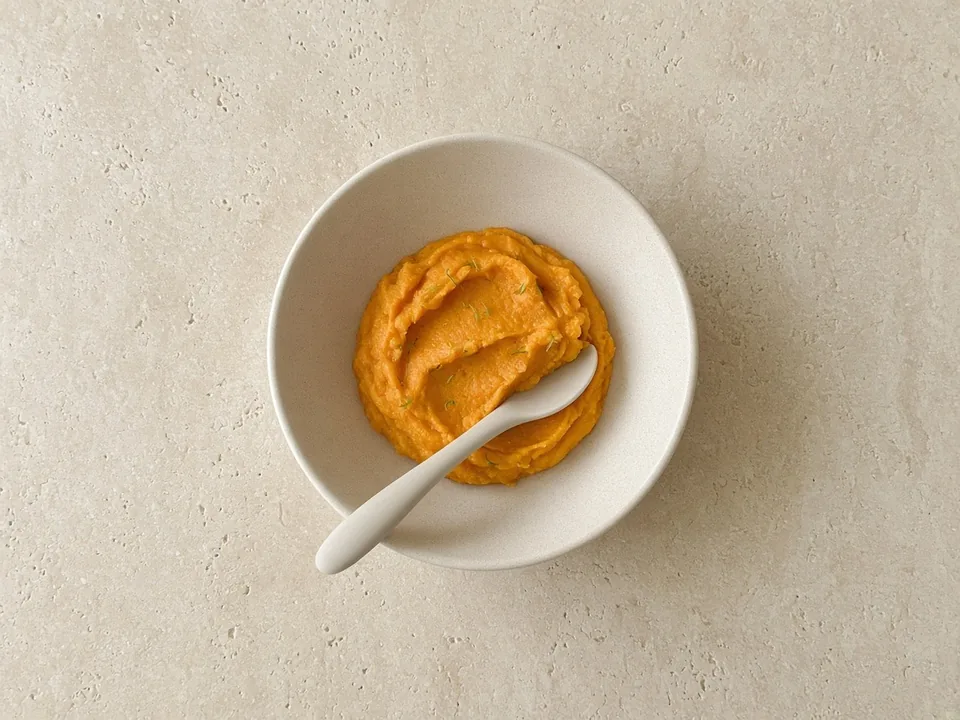
Use lime the way an NHS recipe for babies from 6 months uses lemon: squeeze a little juice over chicken strips before they bake. You can also squeeze it over fish, or stir a few drops of juice, or a small pinch of finely grated zest, into mashed vegetables, beans or lentils while they cook. Strain out any seeds. Don't give lime slices or wedges.
- Size
- A few drops to about ½ teaspoon of juice, or a small pinch of finely grated zest, in your baby's portion.
- Check before serving
- Check the food for seeds before serving.
US and UK advice differ here. The AAP suggests mashed food or soft pieces no larger than ½ inch; the NHS suggests soft finger-sized pieces your baby can hold in their fist. Both agree the food must squash easily.
9 months+
Juice or zest in family dishes
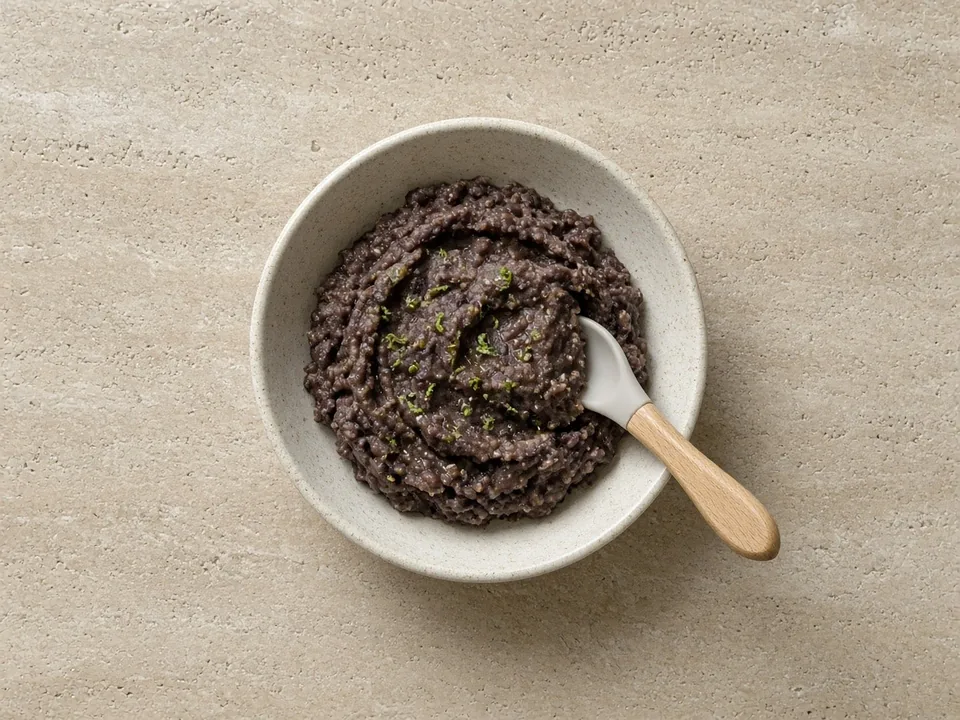
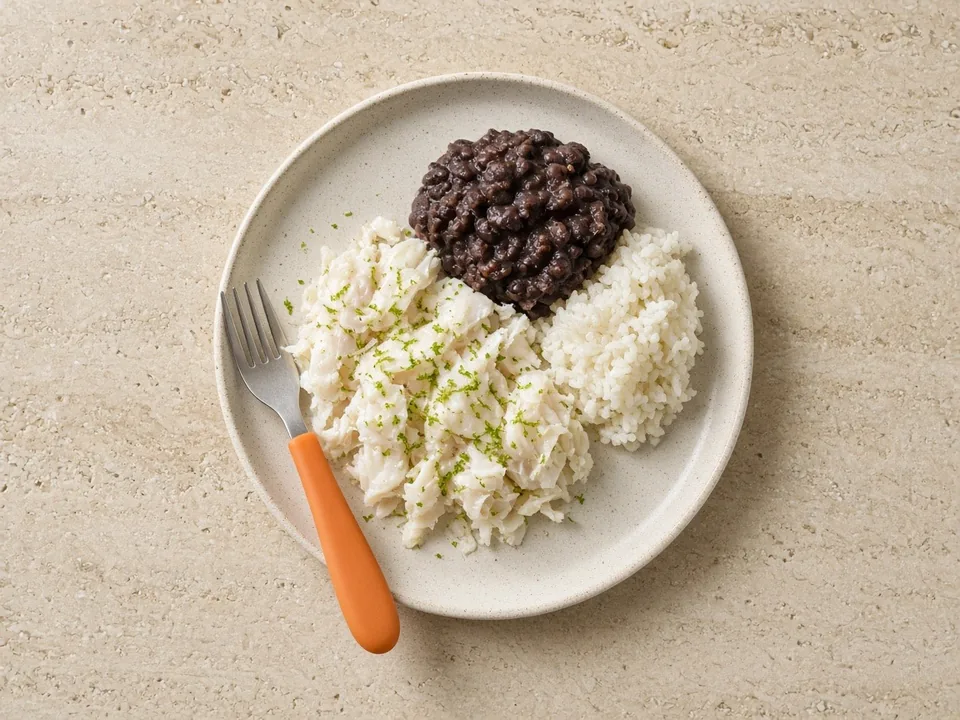
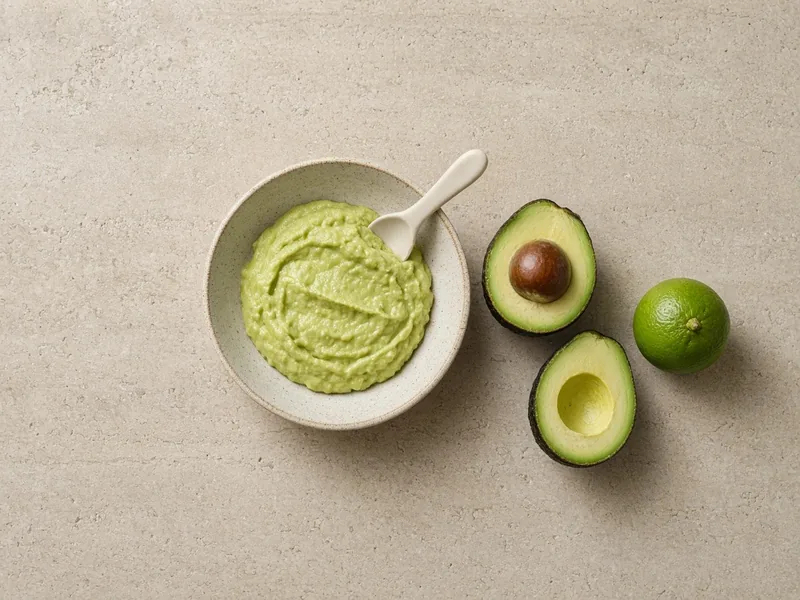
Use lime to flavor family food instead of salt: a few drops in mashed avocado, black beans or a mild curry, or squeezed over fish. Keep slices and wedges for the adults' plates.
- Size
- A squeeze of juice or a pinch of finely grated zest in your baby's portion.
- Check before serving
- Check the food for seeds before serving.
12 months+
Juice or zest in family dishes
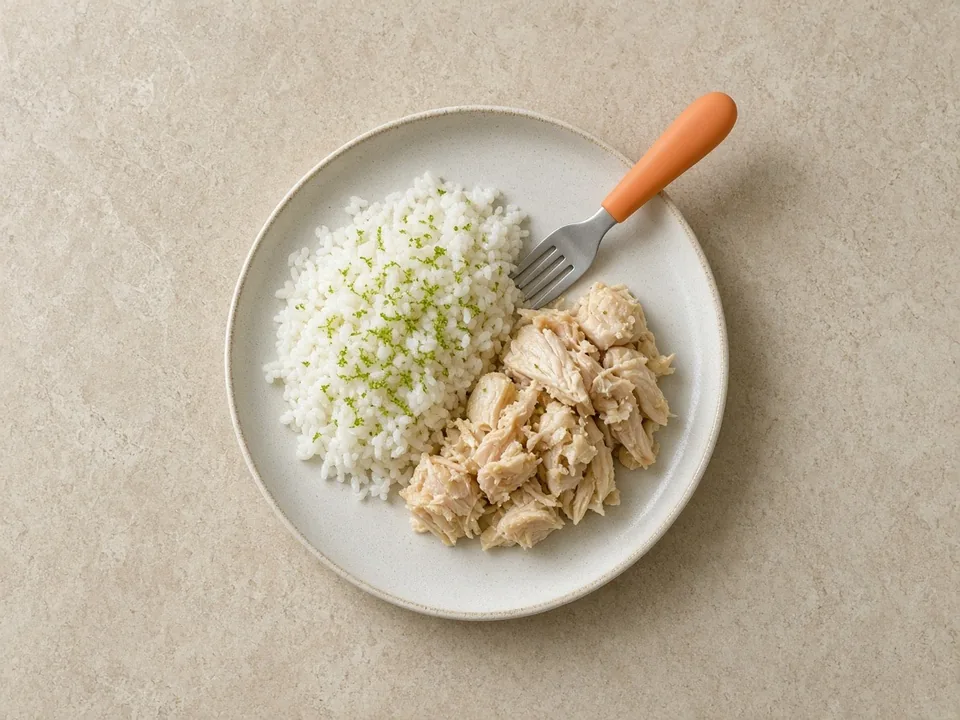
Squeeze lime over rice dishes, vegetables, fish or chicken instead of salty sauces. Lime in food is fine; limeade isn't, because it has added sugar (see the FAQ). Wipe your child's hands and face after the meal.
- Size
- A squeeze of juice or a pinch of finely grated zest in a portion of food.
- Check before serving
- Check the food for seeds before serving.
18 months+
Flavoring in family meals
Keep using lime as a flavoring in shared meals. Keep slices and wedges off your toddler's plate: the peel is tough and seeds are a choking hazard. Make sure your toddler sits down to eat, and stay with them.
- Size
- A squeeze of juice or a pinch of finely grated zest in a portion of food.
- Check before serving
- Check the food for seeds before serving.
Always have your child sit upright in a high chair or at the table, and stay with them the whole time they eat. Keep to the size and texture for their stage. Every baby develops on their own timeline.
How to prepare lime
- 1
Rinse the lime under running water, rubbing the skin, and dry it with a clean towel. Do this even if you only want the juice: the knife can carry germs from the peel into the fruit.
- 2
For zest, grate only a small pinch of the thin green outer layer on the finest side of the grater, not the bitter white pith, and stir it into food while it cooks.
- 3
For juice, cut the lime in half and squeeze it through a small strainer to catch any seeds.
- 4
Stir a few drops into your baby's portion, or squeeze it over food before cooking. Don't add sugar or honey to balance the sourness. Wash your hands, and your child's, after handling limes.
How much to offer
Start with just a few drops of juice or a tiny pinch of zest in a food your baby already eats. Your baby decides how much to eat: stop when they turn away or close their mouth. Sour faces are normal at first.
Common mistakes
Giving lime slices or wedges to chew
The peel is tough and the seeds are a choking hazard. Use juice or finely grated zest stirred into food instead.
Making limeade or sweetening lime
Limeade has added sugar. US and UK advice is to avoid added sugar up to age 4, and the AAP lists lemonade and fruit drinks among the sugary drinks that harm children's health.
Missing seeds
Lime seeds are small and slippery. Squeeze through a strainer, and check the food before serving.
Stopping because of a red rash around the mouth
Acidic citrus fruit often causes redness where it touches the skin. This contact rash isn't an allergy. See the FAQ below for what to do.
Where US and UK guidance differ on lime
United States(AAP and CDC)Your setting
The AAP says fresh baby food should be cooked with no added salt or seasoning. It doesn't mention lime, and no AAP page gives an age for it. If you'd rather follow that line closely, leave lime out until 12 months, or ask your pediatrician. The AAP says no juice before 12 months. The 2025–2030 Dietary Guidelines say to avoid added sugar for children aged 4 and under.
United Kingdom(NHS)Your setting
The NHS says not to add salt or sugar to your baby's food. It doesn't mention lime, but its lemony chicken strips recipe for babies from 6 months uses lemon juice. The NHS says babies under 12 months don't need fruit juice; if you give it, dilute it (1 part juice to 10 parts water) and keep it to mealtimes. It also advises avoiding food and drink with sugar, including fruit juice, for children aged 4 and under.
We cover US and UK guidance in detail. Elsewhere, check your national health service's advice too.
Questions parents ask
Can lime be a choking hazard for babies?
Lime juice and finely grated zest are a low choking risk. Seeds are the main problem: the NHS says to always remove hard pips from fruit, and the CDC says to avoid small, hard foods for young children. The peel is tough, so keep slices and wedges for adults, and stay with your child during meals.
Can babies be allergic to lime?
Lime is not a common allergen. An NHS dietitian information sheet lists citrus fruits among the foods that most often cause a red rash around the mouth where the food touches the skin. This contact reaction is not an allergy: it stays where the food touched, isn't itchy or swollen, and starts to clear once the skin is wiped clean.
Is lime healthy for babies?
Lime juice has about 30 mg of vitamin C per 100 g, but babies get only a few drops, so it adds flavor more than nutrients.
Can babies have lime juice?
A few drops in food, from around 6 months. No official source we use names lime for babies, but an NHS recipe for babies from 6 months uses lemon juice the same way. That recipe uses juice only; a small pinch of finely grated zest cooked into food adds flavor too, or you can stick to juice. Lime juice as a drink is different: the AAP says no juice before 12 months, and the NHS says babies under 12 months don't need fruit juice (see the next question). US advice on seasoning is more cautious: see the guidance note below.
Can babies drink limeade or lime water?
Skip limeade: it has added sugar. The AAP lists lemonade and fruit drinks as sugary drinks that harm children's health, and US and UK advice is to avoid added sugar up to age 4. Lime water is diluted lime juice, so treat it like juice. The AAP says no juice before 12 months, and from 12 months to 3 years no more than 4 oz (120 ml) a day, in a cup. The NHS says babies under 12 months don't need juice; if you give it, dilute it (1 part juice to 10 parts water) and give it only with meals, because the sugars and acids in juice can cause tooth decay. It suggests undiluted juice only from age 5. Fresh-squeezed juice isn't pasteurized, and the FDA says not to give unpasteurized juice to infants or young children. Plain water is the best everyday drink, with breast milk or formula before 12 months.
Can lime juice burn my child's skin in the sun?
It can, though it's usually mild. Lime juice on the skin followed by sunlight can cause a reaction called phytophotodermatitis: usually redness that leaves darker patches, and sometimes painful blisters. A medical journal report describes a 6-year-old whose hands had been soaked in lime juice for a long time while making limeade, and then blistered in the sun. It also found the chemicals responsible are much more concentrated in the peel than in the flesh. A few drops in food is not the same as soaked hands, but it's easy to wipe lime juice off your child's hands and face after meals, and don't let them squeeze limes in the sun.
Why does my baby get a red rash around the mouth after lime?
NHS dietitians list citrus fruits among the foods that most often cause a contact rash where the food touches the skin. It isn't an allergy: it stays around the mouth, chin and hands, isn't itchy or swollen, and fades once you wipe the skin clean. NHS dietitians suggest leaving that food out for a few days, then offering a small portion again, such as 1 teaspoon. A thin layer of petroleum jelly around the mouth before meals can help, or mix the lime into food and offer it on a spoon. A rash that spreads or turns into hives is different: talk to your pediatrician. Call your emergency number right away if your baby has breathing trouble, sudden swelling of the lips, face or tongue, or hives with repeated vomiting.
If your baby refuses lime
- Many babies need 10 or more tries before they accept a new food. Keep offering it alongside foods they already like.
- Lime is very sour. Try fewer drops, mixed into a food your baby already enjoys.
- Eat some yourself at the same meal. Babies copy what they see.
- Funny faces don't mean they dislike it. They're getting used to a new taste.
Never force or pressure your baby to eat. Some days they'll eat more, some days less, and that's normal.
Buying and storing lime
- Keep whole limes in a cool place or in the fridge. Wrap a cut lime and keep it in the fridge, at 40°F (4°C) or below.
- Squeeze or zest lime just before you use it.
- Cooked dishes flavored with lime keep for 3 to 4 days in a covered container in the fridge, or 3 to 4 months in the freezer. Reheat them only once, to 165°F (74°C), until steaming hot, then let them cool before serving. Rice dishes are the exception: cool them within 1 hour, keep them in the fridge for no more than 1 day, and reheat them only once.
- Throw away any food left out at room temperature for more than 2 hours (1 hour if it's hotter than 90°F / 32°C).
When to talk to your doctor
Contact your pediatrician, GP or health visitor if:
- Red, sore or blistered patches appear on your child's hands, face or arms after handling lime and being in the sun. Tell your pediatrician about the lime: this can be a sun reaction to lime juice or peel on the skin (phytophotodermatitis).
- A rash after lime spreads beyond the skin the food touched or turns into raised hives. That isn't a simple contact rash, so talk to your pediatrician before offering it again. If it comes with swelling of the lips, face or tongue, breathing trouble, repeated vomiting, or your baby is floppy, call your emergency number instead (see below).
- You notice mild signs of an allergic reaction after eating, such as a few hives or a little vomiting. See signs of a reaction.
- You're worried about how much your baby eats, their growth, or they refuse most solid food for weeks.
Call 911999your local emergency number (such as 112 in Europe or 000 in Australia) now if your baby has trouble breathing, wheezing, can't cough or cry, has lips, mouth, tongue or throat that suddenly swell, or becomes pale, bluish, floppy or unresponsive. Also call if hives come with repeated vomiting.
Add a note (likes, dislikes, any reaction)
Saved in this browser only. Think it was a reaction? See signs of an allergic reaction and when to get help.
Recipes with lime
Helpful guides
Sources
- NHS Best Start in Life: Lemony chicken strips
- NHS South West London Healthier Together: Contact reactions to foods in babies and toddlers
- Wagner et al., Am J Contact Dermat (2002): Bullous phytophotodermatitis associated with high natural concentrations of furanocoumarins in limes
- CDC: Choking hazards
- NHS: Preparing food safely for babies
- AAP: When can babies start solid foods?
- AAP: Recommended drinks for children age 5 and younger
- HHS: Fact sheet on the Dietary Guidelines for Americans, 2025–2030
- NHS: Drinks and cups for babies and young children
- NHS: Foods to avoid giving babies and young children
- FDA: Selecting and serving produce safely
- USDA FoodData Central: Lime juice, raw
- USDA FSIS: Leftovers and food safety
- NHS Best Start in Life: Storing and reheating food
- FDA: Once baby arrives (Food safety for moms-to-be)
- NHS: Help your baby enjoy new foods
More first foods





Free printable: The First 100 Foods checklist
Tick off foods as your baby tries them. Print it or save it as a PDF, no sign-up needed.