
Oat milk
A mild, creamy drink from the first birthday. Pick it unsweetened and fortified.
Checked against official guidance on October 18, 2026 · How we review
Quick answer
Children can have oat milk from around 12 months. Prepare it as shown below.
How to serve oat milk by age
12 months+
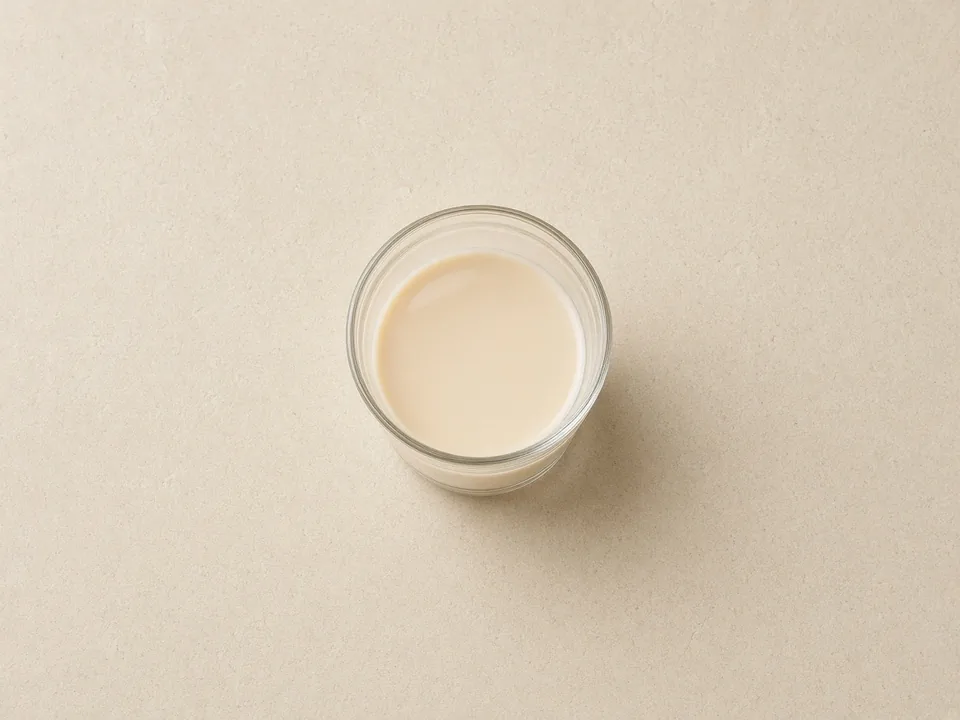
Unsweetened, fortified oat drink in an open cup
Offer unsweetened oat drink with added calcium and vitamin D in an open cup or a straw cup, not a bottle. Breast milk can continue alongside it. Oat drink has much less protein than cow's milk, so if it's going to be your child's main milk, talk to your pediatrician or a dietitian first.
- Size
- A few sips to a small cup with meals and snacks.
- Check before serving
- Check the label: unsweetened, with calcium and vitamin D added. In the UK, drinks labelled organic can't be fortified.
18 months+
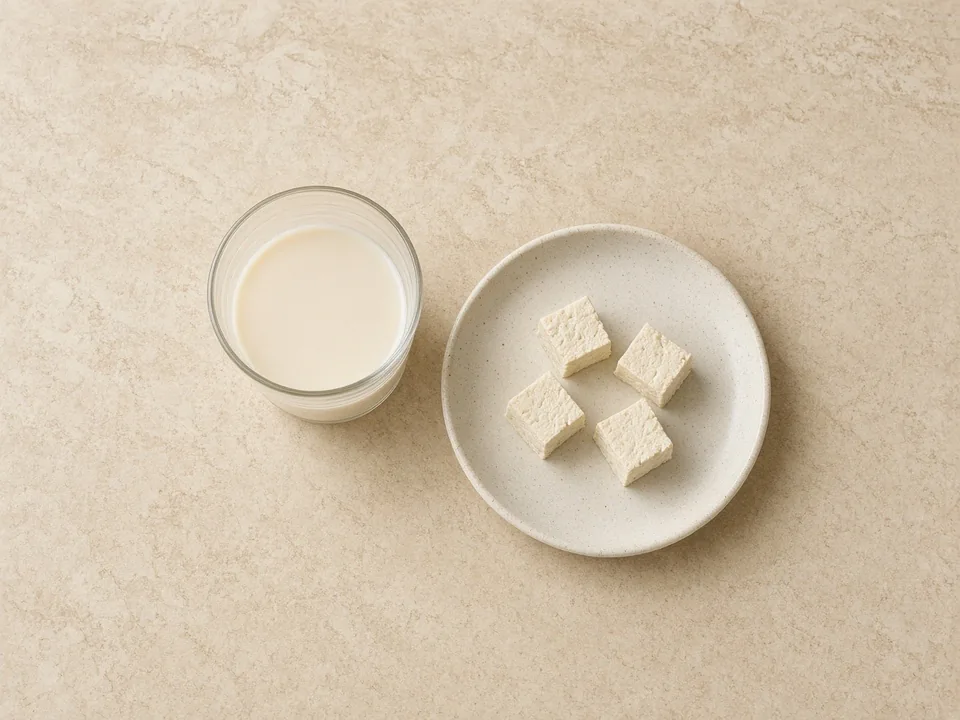
A drink with meals, water in between
Serve oat drink in an open cup with meals and water between meals. Offer protein foods such as beans, lentils, tofu, eggs, fish or meat at meals, because oat drink adds very little protein.
- Size
- Small cups with meals and snacks.
2 years+
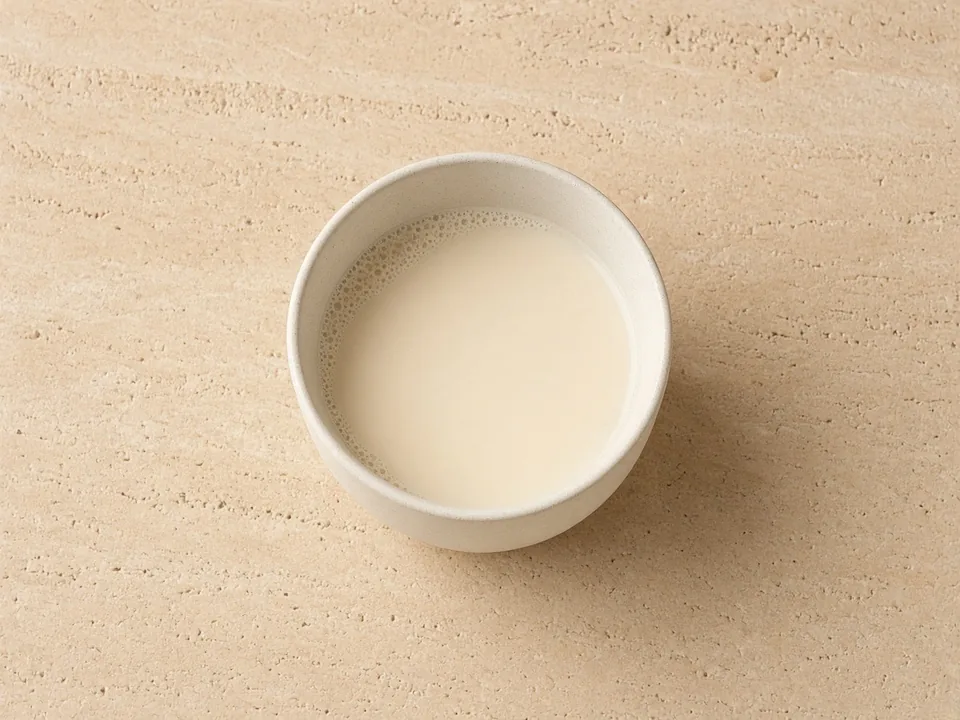
Plain oat drink in a cup
Keep offering plain, unsweetened oat drink. Chocolate, vanilla and other flavored versions usually have added sugar: see the mistakes below.
- Size
- Small cups with meals and snacks.
3 years+
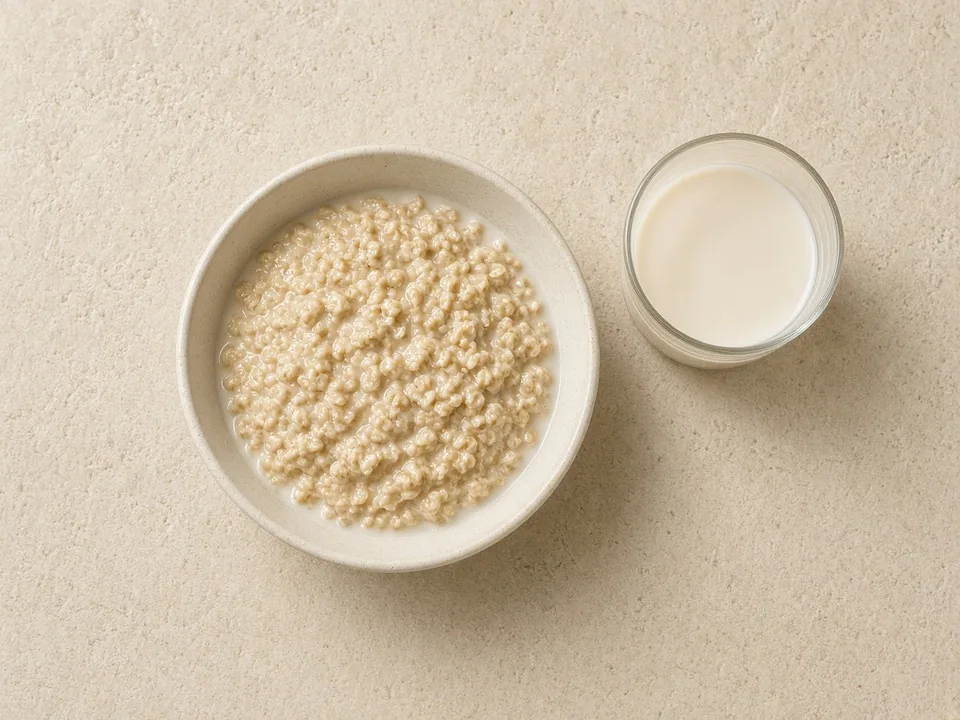
Family oat drink in a cup or on cereal
Use it the way your family does: in a cup with meals, on cereal or in cooking. Water stays the main drink between meals.
- Size
- Small cups with meals, or poured over cereal or oatmeal.
Always have your child sit upright in a high chair or at the table, and stay with them the whole time they eat. Keep to the size and texture for their stage. Every baby develops on their own timeline.
How to prepare oat milk
- 1
Buy oat drink that's unsweetened and fortified with calcium and vitamin D. Check the ingredients for sugar or syrup.
- 2
Pour a small amount into an open cup or a straw cup. Serve it cold or at room temperature.
- 3
Offer it with meals and snacks, alongside food. Offer water between meals.
How much to offer
Start with a few sips in a cup. The CDC says fortified dairy alternatives can be part of a balanced diet from 12 months but are not a substitute for food, so serve it as a drink with meals rather than all day. If oat drink is replacing cow's milk, ask your pediatrician or a dietitian how much your child needs and how to cover protein. Your child decides how much to drink.
Common mistakes
Giving it as a drink before 12 months
Plant drinks don't replace breast milk or formula, which stay the main drink until 12 months. NHS dietitians say milk substitutes can be added to a baby's food, such as oatmeal or a sauce, from 6 months, and Cambridgeshire NHS dietitians say to choose one with added calcium and at least 40 calories and 1 g of protein per 100 ml. Many unsweetened oat drinks have less protein than that, so check the label. The CDC says milk alternatives should not be given before 12 months. If you follow US advice, use breast milk or formula in your baby's food instead.
Choosing a sweetened or flavored version
Flavored and sweetened oat drinks have added sugar. The CDC says your child doesn't need added sugars, and US and UK advice is to avoid added sugar up to age 4. "Barista" versions are made for coffee, so read their labels for sugar and calcium too.
Picking an unfortified or organic drink
Some plant drinks have no added calcium or vitamin D, and in the UK, plant drinks labelled organic aren't allowed to be fortified. Homemade oat drink isn't fortified either. Check the label for added calcium and vitamin D.
Relying on it for protein
Unsweetened oat drink has under 1 g of protein per 100 g, compared with about 3 g in whole cow's milk. Make sure your child gets protein from food at meals.
Where US and UK guidance differ on oat milk
United States(AAP and CDC)Your setting
The AAP says that, other than soy milk, plant-based milks are not recommended in place of dairy milk. Since April 2026, the CDC says unflavored, unsweetened dairy alternatives fortified with calcium and vitamin D (it names oat) can help meet a child's dairy needs from 12 months, and that milk alternatives should not be given before 12 months. If you follow US advice, use breast milk or formula in your baby's food instead until then.
United Kingdom(NHS)Your setting
The NHS says unsweetened, calcium-fortified oat drinks can be given from age 1 as part of a healthy, balanced diet. NHS dietitians say milk substitutes can be added to a baby's food from 6 months. UK expert advisers say oat and almond drinks have less protein than soya drinks, and that plant drinks labelled organic can't be fortified.
We cover US and UK guidance in detail. Elsewhere, check your national health service's advice too.
Questions parents ask
Can oat milk be a choking hazard for babies?
Oat drink is a low choking risk. Have your child sit upright to drink, and use an open cup or a straw cup rather than a bottle.
Can babies be allergic to oat milk?
Oats are not one of the common food allergens. Oats don't contain gluten, but the NHS says they can become contaminated with other cereals that contain gluten, so if your child has coeliac disease, choose an oat drink labelled gluten-free and ask your doctor first. If your child has a wheat allergy, ask your allergist which brands are safe. Oats are a common trigger of FPIES, a delayed reaction: see when to call the doctor.
Is oat milk healthy for babies?
Unsweetened, fortified oat drink has about 148 mg of calcium and 1.7 mcg of vitamin D per 100 g, similar to whole cow's milk (113 mg and 1.3 mcg). But it has only about 0.8 g of protein and 48 calories per 100 g, compared with about 3.2 g and 61 calories in whole milk, and about 2 g of sugars even when unsweetened.
Can babies have oat milk?
Not as a drink before 12 months: breast milk or formula is the main drink. NHS dietitians say an unsweetened, fortified oat drink can be used in your baby's food, such as oatmeal, from 6 months. Cambridgeshire NHS dietitians say to pick a plant milk with added calcium and at least 40 calories and 1 g of protein per 100 ml. The unsweetened oat drink in FoodData Central has about 48 calories but only 0.8 g of protein per 100 g, so check the label. The CDC says not to give milk alternatives before 12 months, so if you follow US advice, use breast milk or formula in food instead.
Is oat milk a good choice for a 1-year-old?
It can be one drink in a varied diet. The NHS says unsweetened, calcium-fortified oat drinks are fine from age 1 as part of a healthy, balanced diet. The AAP says that, other than soy milk, plant-based milks aren't recommended in place of dairy milk, because most may lack nutrients such as protein, vitamin D and calcium. Ask your pediatrician or a dietitian before making it your child's main milk.
Does unsweetened oat milk have sugar?
A little. The unsweetened oat drink in USDA FoodData Central has about 2 g of sugars per 100 g. UK experts count sugars that form when plant drinks are made as free sugars, the kind to limit. Sweetened and flavored versions have more. Plain, unsweetened is the best choice.
Is homemade oat milk OK for toddlers?
It's best not to use it as a main drink. The AAP says homemade plant milks are not fortified, so they don't have the added calcium and vitamin D of store-bought fortified drinks.
If your baby refuses oat milk
- Many children need several tries to get used to a new taste. Keep offering it in a cup with meals.
- Try it in other forms: in oatmeal, on cereal or in a sauce.
- Drink some yourself at the same meal. Toddlers copy what they see.
- If your child won't drink milk or a milk alternative at all, ask your pediatrician about other ways to get enough calcium and vitamin D.
Never force or pressure your baby to eat. Some days they'll eat more, some days less, and that's normal.
Buying and storing oat milk
- Store unopened cartons as the label says. Once opened, keep oat drink in the fridge and use it within the time on the label.
- Throw away oat drink left in your child's cup after the meal.
- Oatmeal and sauces made with oat drink keep for 3 to 4 days in a covered container in the fridge. Reheat only once, to 165°F (74°C), until steaming hot, then let them cool before serving.
- Throw away any food left out at room temperature for more than 2 hours (1 hour if it's hotter than 90°F / 32°C).
When to talk to your doctor
Contact your pediatrician, GP or health visitor if:
- Your baby vomits a few hours after having oats or oat drink. This can be FPIES, a delayed type of food allergy that oats can trigger. If they vomited once or twice and seem alert and like themselves, call your pediatrician or GP. If they vomit again and again, or are pale, floppy, very sleepy or hard to wake, call your emergency number.
- You'd like oat drink to be your child's main milk, or your child has a milk allergy or intolerance. Ask which milk to use and how to cover protein, calcium and vitamin D.
- Your child has coeliac disease or a wheat allergy. Ask which oat drinks are safe.
- You notice mild signs of an allergic reaction after eating, such as a few hives or a little vomiting. See signs of a reaction.
- You're worried about how much your baby eats, their growth, or they refuse most solid food for weeks.
Call 911999your local emergency number (such as 112 in Europe or 000 in Australia) now if your baby has trouble breathing, wheezing, can't cough or cry, has lips, mouth, tongue or throat that suddenly swell, or becomes pale, bluish, floppy or unresponsive. Also call if hives come with repeated vomiting.
Offered oat milk?
Add it to your first 100 foods.
Oat milk is in your 100 foods
1 of 100 offered · See all
Add a note (likes, dislikes, any reaction)
Saved in this browser only. Think it was a reaction? See signs of an allergic reaction and when to get help.
Helpful guides
Sources
- AAP: Recommended drinks for children age 5 and younger
- AAP: Cow's milk alternatives: parent FAQs
- CDC: Cow's milk and milk alternatives
- NHS: Drinks and cups for babies and young children
- NHS Forth Valley: Milk-free weaning from 6 months
- NHS Cambridgeshire and Peterborough: Weaning on a cow's milk free diet
- SACN and COT: Health benefits and risks of consuming plant-based drinks: summary (2025)
- NHS: Coeliac disease: treatment
- ACAAI: Food protein-induced enterocolitis syndrome (FPIES)
- NHS: Foods to avoid giving babies and young children
- HHS: Fact sheet: Dietary Guidelines for Americans, 2025–2030
- USDA FoodData Central: Oat milk, unsweetened, plain, refrigerated
- USDA FoodData Central: Milk, whole, 3.25% milkfat, with added vitamin D
- USDA FSIS: Leftovers and food safety
- NHS Best Start in Life: Storing and reheating food
More first foods



Free printable: The First 100 Foods checklist
Tick off foods as your baby tries them. Print it or save it as a PDF, no sign-up needed.